Health Checks Every Australian Should Have – By Age Group

Tewantin Medical Centre • August 18, 2025
A Healthcare Professional is Smiling While Speaking With an Older Male Patient — Tewantin Medical Centre In Tewantin, QLD

Regular health checks are a vital aspect of maintaining good health and preventing potential medical issues. Even when you feel perfectly fine, many serious conditions, such as heart disease, diabetes, and certain types of cancer, can develop without obvious symptoms. Early detection through regular health screenings can significantly reduce the risk of long-term health problems. 


Understanding which health checks are appropriate for you, depending on your age group, is key to staying ahead of any issues.


Babies and Children (0–12 Years)


The early years are crucial for a child’s development and health. Regular check-ups help monitor growth, development, and ensure that children receive necessary vaccinations to protect them from preventable diseases.


Birth to 4 Years


  • Developmental Milestones: It’s essential to track cognitive, motor, speech, and social development during the early years.
  • Immunisations: Make sure your child is up-to-date with vaccinations as per the National Immunisation Program Schedule, which protects against illnesses such as measles, whooping cough, and hepatitis B.
  • Hearing Screening: Newborns should undergo hearing screening to detect any potential hearing issues early on.
  • Vision Checks: Early screening can detect vision issues like lazy eye or congenital cataracts, enabling prompt intervention if needed.


Ages 5 to 12


  • Growth and Weight Monitoring: Annual paediatric check-ups help track healthy growth, weight, and development.
  • Behavioural Assessments: Identifying learning difficulties, behavioural issues, or developmental delays such as ADHD is crucial for timely intervention.


Teenagers (13–18 Years)


Adolescence is a time of rapid physical, emotional, and social change. Regular health checks can help address emerging health concerns and ensure that teenagers stay on the right path as they transition into adulthood.


  • Mental Health Assessments: Adolescents are especially vulnerable to mental health issues like anxiety, depression, and stress. Regular mental health check-ins with a GP are crucial during this stage.
  • Sexual Health and STI Testing: If sexually active, teens should be tested for sexually transmitted infections (STIs) and given advice on contraception.
  • Routine Immunisations: Teenagers should receive vaccines like the HPV vaccine and any necessary catch-up immunisations.
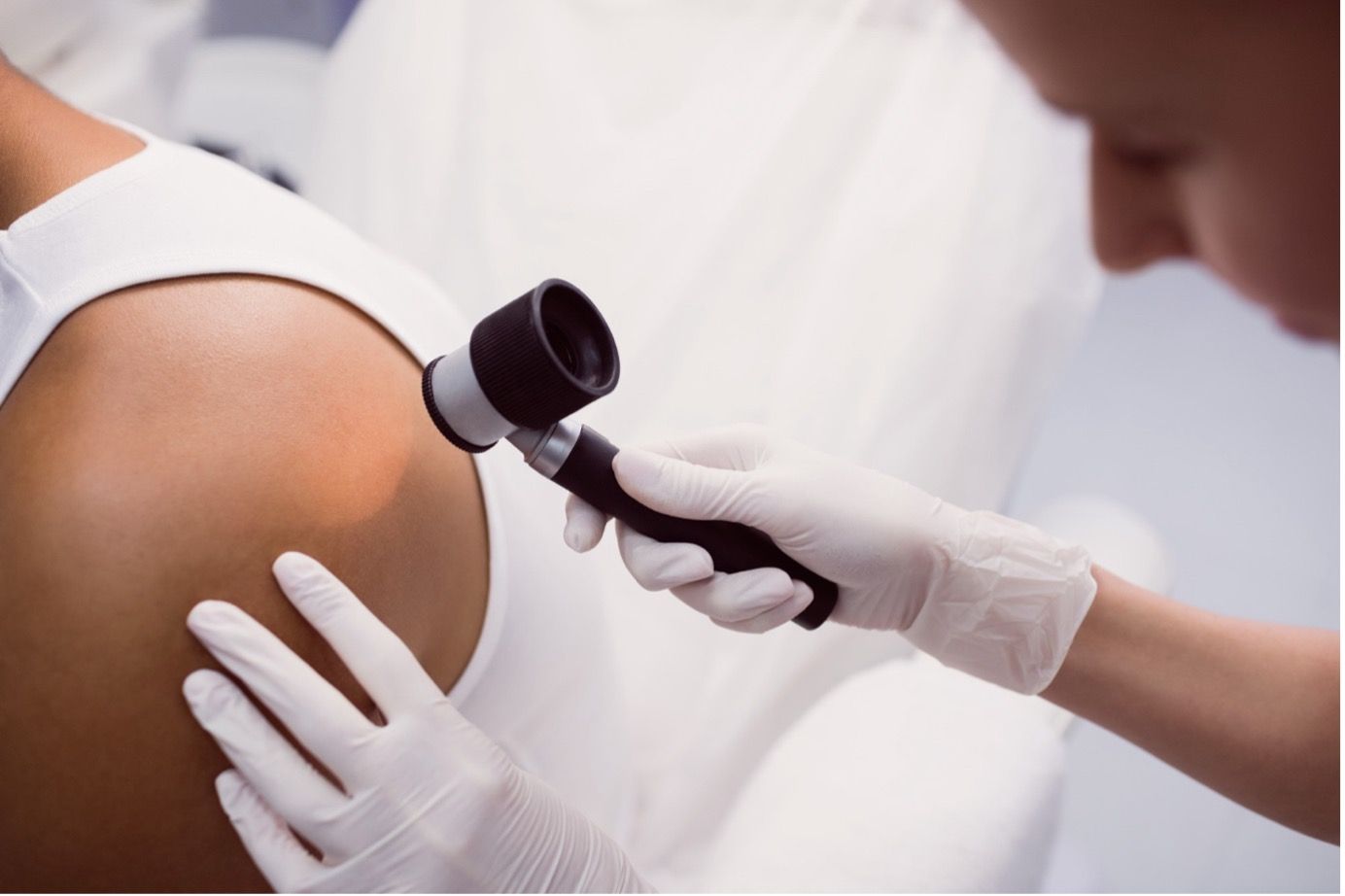
  • Skin Checks: In sun-exposed areas such as Queensland, regular skin checks are essential to detect early signs of skin cancer.


Young Adults (19–39 Years)


In young adulthood, maintaining a healthy lifestyle is crucial to prevent chronic diseases later in life. Regular health checks help detect early risk factors and establish a baseline for overall health.


  • Blood Pressure Checks: Blood pressure should be monitored every 1-2 years to detect early signs of hypertension, which can lead to heart disease and stroke.
  • Cholesterol Screening: A cholesterol test every 5 years starting at age 20, or sooner if at higher risk of heart disease, is important.
  • Cervical Screening Test (CST): Women should begin regular CST every 5 years from age 25 to screen for human papillomavirus (HPV) and prevent cervical cancer.
  • Sexual and Reproductive Health: Regular sexual health check-ups and STI screenings are important, alongside contraception and fertility advice.
  • Mental Health Support: Keeping an eye on mental health during this stage can prevent issues such as anxiety and depression from escalating.
  • Skin Cancer Checks: Regular skin checks are highly recommended due to Australia’s high rates of skin cancer.


Middle Age (40–64 Years)


As we move into middle age, the risk of chronic health conditions increases. Regular screenings for heart disease, diabetes, cancer, and other conditions are essential during this stage of life.


  • Heart Health Check: From age 45 (or 30 for Aboriginal and Torres Strait Islander peoples), a heart health assessment is vital to check for blood pressure, cholesterol levels, and diabetes risk.
  • Diabetes Screening: Type 2 diabetes risk can be assessed every 3 years from age 40 using the AUSDRISK tool and subsequent blood glucose tests if necessary.
  • Bowel Cancer Screening: Starting at age 50, people receive free bowel cancer screening kits every two years. If you have concerns, you can request a test from age 45.
  • Prostate Health (Men): Men should discuss the benefits and risks of PSA testing for prostate cancer with their GP starting at age 50 (or earlier if at higher risk).
  • Eye Health: Regular eye exams every 2 years can help detect age-related issues like glaucoma and macular degeneration.


Older Adults (65+ Years)


As we age, maintaining overall health and independence becomes increasingly important. Regular health checks for older adults help detect conditions such as osteoporosis, vision impairment, and cognitive decline, as well as ensuring that vaccinations are up-to-date.


  • Bone Density Test: For postmenopausal women and men over 70, bone density tests are important to assess osteoporosis risk.
  • Hearing and Vision Checks: Annual tests for hearing loss, cataracts, and macular degeneration can help manage common age-related conditions.
  • Cognitive Screening: Regular check-ups to monitor cognitive function can help detect early signs of dementia.
  • Vaccinations: Adults aged 65 and over should receive annual flu shots, the shingles vaccine (starting at age 70), and the pneumococcal vaccine.
  • Continence Assessment: As you age, managing bladder and bowel control issues is essential to maintain quality of life.
  • Falls Risk Assessment: Regular falls risk assessments can help prevent injuries and maintain mobility and independence.


Additional Risk-Based Health Checks


In addition to routine screenings, your GP may recommend more frequent health checks based on specific risk factors. If you have a family history of conditions such as heart disease, diabetes, or cancer, your GP may advise earlier or more regular screenings to monitor potential risks. 


For individuals with chronic conditions like asthma, diabetes, or obesity, more frequent check-ups may be necessary to effectively manage and monitor your health. Additionally, if you have lifestyle factors such as smoking, excessive alcohol consumption, or a lack of physical activity, your GP may suggest extra screenings for heart disease, cancer, and other related conditions.


How Can I Prepare for a Health Screening Appointment?


To ensure you get the most out of your health screening, here are a few steps to take before your appointment:


  1. List Any Symptoms or Concerns: Take note of any unusual symptoms, changes in your health, or concerns you’ve experienced. This will help your GP better understand your health and offer relevant advice.
  2. Bring Your Medical History: Bring along a record of your past health issues, family medical history, and any medications you’re currently taking, including over-the-counter or herbal supplements.
  3. Discuss Lifestyle Factors: Be ready to talk about your daily habits, including your diet, physical activity, sleep patterns, and any lifestyle habits like smoking or alcohol consumption. This information helps assess your overall health.
  4. Ask About Recommended Screenings: Ask your GP about any screenings or tests that may be recommended based on your age, gender, and individual risk factors.


Being proactive and well-prepared for your health screening ensures you receive the best possible care tailored to your unique needs.


Book Your Health Check in Tewantin


At Tewantin Medical Centre, our team of experienced GPs is here to guide you through essential health checks at every stage of life. Whether it’s time for your routine check-up or you have specific health concerns, we are here to help.


Contact us to book your appointment online or call us today to schedule your next health check.


Frequently Asked Questions (FAQs)


At what age should I start having regular health check-ups?


It’s advisable to begin regular health check-ups in early adulthood. Starting in your 20s, establish a relationship with a general practitioner (GP) to monitor your overall health and address any emerging concerns.


Are there specific health screenings for men in their 40s?


Yes, men in their 40s should discuss prostate health with their GP, including the potential benefits and risks of prostate-specific antigen (PSA) testing. It’s also important to monitor heart health, cholesterol levels, and blood pressure regularly.


What vaccinations should I consider as an adult?


Adult vaccinations may include the annual influenza vaccine, tetanus booster every ten years, and vaccines for preventable diseases like shingles and pneumococcal infections, especially for those over 65 or with chronic health conditions. Consult a GP near you to determine which vaccinations are appropriate for you.


How often should I get a cholesterol test?


Cholesterol testing frequency depends on your age and risk factors. For adults aged 45 and above, it’s recommended to have cholesterol and lipid checks every five years. If you have a higher risk of cardiovascular disease, these tests should be conducted every 1 to 2 years.


How often should I have a health check-up?


The frequency of health check-ups depends on your age, risk factors, and general health. Typically, adults should have an annual or bi-annual check-up with their GP. However, some screenings, such as cholesterol or blood pressure checks, may be required more or less frequently.


Person in white shirt holds stomach, appearing to be in pain, against a blue background.
By Tewantin Medical Centre Client February 19, 2026
Learn which digestive symptoms are normal and when to see a GP in Noosa for abdominal pain, bloating, or bowel changes.
Woman at laptop, touching temples, appearing tired, in a kitchen setting  — Tewantin Medical Centre In Tewantin, QLD
By Tewantin Medical Centre Client February 10, 2026
Feeling exhausted despite “normal” blood results? Learn how low ferritin can cause symptoms even without anaemia, and when a GP may investigate further.
Can a GP Remove a Suspicious Lesion? What Happens After a Skin Check
By Tewantin Medical Centre Client January 20, 2026
Wondering if a GP can remove a suspicious skin lesion? Learn how skin checks work, when removal is possible, and what pathways usually follow a GP assessment.
Doctor consoles patient with hand on shoulder in light-filled office  — Tewantin Medical Centre In Tewantin, QLD
By Tewantin Medical Centre Client December 23, 2025
Many men delay seeing a doctor until symptoms worsen. Learn why men avoid GP visits, the real risks of waiting, and how seeing a men’s health doctor in Tewantin can help you take control of your long-term health.
Woman in white robe and towel making a heart shape with her hands, smiling.
By Tewantin Medical Centre Client November 18, 2025
Learn what to expect when it comes to IUD procedures, pain relief, and menopause management at Tewantin Medical Centre. Supportive female GPs and transparent care for every stage of life.
Doctor showing ultrasound to a woman in a medical office; woman smiles, sitting on a medical bed.
By Tewantin Medical Centre Client November 18, 2025
Learn how self-collect cervical screening works, who it’s for, and what to expect. Available at Tewantin Medical Centre with supportive, women’s health-focused GPs.
Doctor writing notes on a clipboard while seated across from a person in a gray suit.
By Tewantin Medical Centre Client October 22, 2025
Many health conditions develop silently, showing little or no symptoms until they become serious. Regular health checks with your GP can help catch these issues early, making them easier to manage and often preventing long-term complications. Preventive care is one of the most important reasons to visit your GP, no matter your age or current health. This article explains what a health check usually involves, how often you should have one, and why it plays such a crucial role in preventing chronic disease. What Is a Regular Health Check? A health check is a routine appointment with your GP to review your overall wellbeing. It usually involves: Medical history review: looking at family history, lifestyle, and past health concerns Physical examination: checking weight, blood pressure, heart rate and other vital signs Blood and urine tests: to measure cholesterol, blood sugar, kidney and liver function Screening questions: covering mental health, lifestyle habits, and cancer risk factors Immunisation review: ensuring your vaccinations are up to date Depending on your age, risk factors, and current health, your GP may also recommend additional tests such as ECGs, bone density scans or skin cancer checks. Why Regular Checks Matter for Chronic Disease Prevention Chronic diseases such as diabetes, heart disease, kidney disease and some cancers are leading causes of illness in Australia. The good news is that many can be prevented or managed effectively if detected early. Health checks allow your GP to: Identify early risk factors such as high blood pressure, elevated cholesterol or weight changes Detect silent conditions like type 2 diabetes, which often has no obvious symptoms in its early stages Support lifestyle changes before problems become serious Coordinate referrals to specialists when further assessment is needed By taking a proactive approach, you’re less likely to face complications later in life and more likely to stay active and well. How Often Should You Have a Health Check? Under 30 Years Most healthy adults under 30 may only need a full health check every two to three years. However, annual visits are recommended if you have risk factors such as smoking, obesity, or a family history of chronic illness. 30 to 50 Years At this age, annual health checks become more important. Regular blood pressure, cholesterol and diabetes screenings can help detect early warning signs. Over 50 Years From age 50 onwards, yearly health checks are strongly recommended. This age group benefits from additional cancer screenings, heart health checks, and bone density assessments. Tailoring Health Checks to Individual Risk Your GP doesn’t take a one-size-fits-all approach. Instead, checks are personalised based on: Family history of conditions like heart disease, diabetes or cancer Lifestyle factors such as diet, physical activity, alcohol use and smoking Previous test results or existing conditions Workplace or travel needs that may require specific assessments For example, if you have a family history of skin cancer, your GP may recommend more frequent skin cancer checks . If you’re managing a chronic illness already, your health check will focus on ongoing monitoring and adjustment of your treatment plan. What Happens if an Issue Is Detected? If your health check identifies an area of concern, your GP will discuss next steps with you. This may include: Ordering more detailed tests Recommending lifestyle changes Prescribing medications if needed Referring you to a specialist for further investigation At Tewantin Medical Centre , our GPs also provide coordinated support through chronic disease management and health assessments to help you stay on top of your health. Overcoming Barriers to Regular Health Checks It’s common for people to delay health checks because they feel well, are too busy, or worry about costs. However, skipping preventive care can lead to bigger problems later on. Feeling fine doesn’t always mean you’re healthy – many conditions develop silently. Short appointments can fit into your schedule and provide reassurance. Medicare subsidies apply to certain health assessments, especially for older adults and people with chronic conditions. Investing in preventive care now can save you stress, time, and money in the future. Why Choose a Noosa GP for Your Health Checks? Regular health checks are most effective when you have a trusted GP who knows your health history. At Tewantin Medical Centre, our general practice team offers comprehensive health checks for patients of all ages. By working together, we can help prevent chronic disease, improve your quality of life, and support your long-term wellbeing. Disclaimer: The information provided in this blog is for general educational purposes only and should not be taken as medical advice. It is not a substitute for professional diagnosis, treatment, or care. Always seek the guidance of your doctor or other qualified healthcare professional with any questions you may have regarding your health or medical condition.
Woman scratching her back where a red rash is visible.
By Tewantin Medical Centre Client September 18, 2025
From rashes to suspicious moles, discover the common skin concerns a GP in Noosa North Shore can assess and manage.
Man with hand on forehead, looking tired, seated on a couch indoors  — Tewantin Medical Centre In Tewantin, QLD
By Tewantin Medical Centre Client September 18, 2025
Persistent tiredness shouldn’t be ignored. Learn when ongoing fatigue needs a GP assessment in Noosa and how your local doctor can help.
Woman in a Red Scarf and Sweater, Covering Her Face in a Park — Tewantin Medical Centre In Tewantin, QLD
By Tewantin Medical Centre August 18, 2025
It’s normal to feel cold on a chilly day or after swimming in cold water. But if you’re always cold, especially when others around you feel comfortable, it might be time to look into what your body is trying to tell you. Persistent cold sensitivity can be a sign of an underlying health issue, such as low iron levels, thyroid problems or poor circulation. Understanding the potential causes can help you know when to seek medical advice. Understanding Your Body’s Temperature Regulation Your body maintains a steady core temperature through a process called thermoregulation. It involves multiple systems, your brain (particularly the hypothalamus), blood vessels, muscles and fat stores, all working together to keep you warm or cool as needed. When something disrupts this balance, you may feel colder than usual, even when the environment isn’t especially cold. When Feeling Cold Might Be Normal Not all cases of feeling cold are linked to a health issue . People with a slimmer build may have less insulation, while dehydration, lack of sleep, or age-related changes in metabolism and circulation can all affect how your body regulates temperature or simply being in a cold environment without proper clothing can all make you feel colder than others. However, if you’re still feeling unusually cold despite addressing these factors, it’s a good idea to consult your GP. Common Medical Reasons for Feeling Cold All the Time Certain medical conditions can affect how your body produces or retains heat. Recognising these potential causes can help you understand why you might feel cold all the time and when it’s time to consult your doctor. 1. Iron Deficiency (Anaemia) Iron helps produce haemoglobin, a protein in red blood cells that carries oxygen throughout your body. When you’re low in iron, your cells don’t receive enough oxygen to generate heat efficiently. Symptoms may include: Constant fatigue Pale skin Shortness of breath Dizziness Cold hands and feet Iron deficiency is especially common in menstruating women, vegetarians and people with chronic blood loss or poor absorption. 2. Hypothyroidism (Underactive Thyroid) The thyroid gland regulates metabolism, which influences how much heat your body produces. When your thyroid is underactive, everything slows down including your ability to generate warmth. Symptoms may include: Constant cold feeling Weight gain Dry skin Constipation Depression or sluggishness Hypothyroidism is commonly caused by autoimmune conditions like Hashimoto’s thyroiditis. 3. Poor Circulation Reduced blood flow means less warmth reaches your extremities. This is often noticeable in the hands and feet and may be due to: Raynaud’s phenomenon Peripheral artery disease Cardiovascular disease Diabetes-related vascular changes 4. Low Body Weight or Malnutrition When the body lacks sufficient fat or calories, it struggles to maintain warmth due to reduced insulation and energy reserves. This is often seen in people with eating disorders, chronic illnesses, cancer, or in older adults with poor appetite or limited access to nutritious food. 5. Hormonal Changes Hormones like oestrogen and progesterone affect body temperature. Women may notice increased cold sensitivity during certain times in their menstrual cycle or during menopause. 6. Diabetes and Blood Sugar Issues Blood sugar fluctuations can affect your circulation and nervous system, particularly in people with uncontrolled or long-standing diabetes. This can lead to cold extremities and impaired temperature perception. 7. Chronic Fatigue Syndrome or Fibromyalgia These conditions are associated with heightened sensitivity to cold, pain and fatigue. The exact cause isn’t fully understood but may involve nervous system dysregulation. 8. Medications That May Cause Cold Sensitivity Certain drugs can make you more sensitive to cold, including: Beta-blockers (for high blood pressure) Some antidepressants Certain chemotherapy agents Drugs affecting thyroid function If you suspect a medication is contributing, speak to your doctor before making any changes. 9. Other Less Common Medical Conditions These may include: Kidney disease Pituitary or adrenal gland disorders Chronic infections B12 deficiency While rare, these conditions may show up as cold intolerance alongside other systemic symptoms. When to See a GP About Feeling Cold All the Time You should book a GP appointment if your cold sensitivity is: Persistent and unexplained Accompanied by symptoms like fatigue, weight changes, or changes in mood Causing disruption to your daily life or sleep Affecting your ability to exercise or tolerate usual temperatures Early diagnosis and treatment can prevent complications, especially in cases of anaemia, thyroid dysfunction or circulatory problems. Tests Your Doctor May Recommend To understand why you’re feeling cold all the time, your GP may order blood tests to check iron levels, thyroid function, vitamin B12, and general health markers. Blood sugar and urine tests can help rule out diabetes or kidney issues. If circulation problems are suspected, you may need an ECG or imaging. In some cases, you might be referred to a specialist for further assessment. Managing Cold Sensitivity at Home While your GP works to identify the cause, a few simple steps may help you stay more comfortable: Dress in warm layers using thermal or wool fabrics. Use heated blankets or hot water bottles to maintain warmth, especially at night. Eat a balanced diet with plenty of iron, protein and healthy fats. Stay hydrated to support your body’s temperature regulation. Move regularly during the day to improve circulation. Track your symptoms , noting when you feel cold and any patterns that emerge. These steps won’t replace medical advice, but they can help you feel more at ease while you seek answers. Don’t Ignore Persistent Cold Sensations If you’re feeling cold all the time and unsure why, Tewantin Medical Centre is here to support you. Our GP doctors can assess your symptoms, arrange necessary tests, and help determine if conditions like low iron, thyroid dysfunction or circulation issues may be the cause. If your body is sending signals, don’t ignore them. Book a consultation with your GP to discuss your symptoms and get the support you need for your long-term health and wellbeing.
Show More