Skin problems are some of the most frequent reasons people book a GP appointment. From everyday rashes to suspicious spots, many concerns can be assessed and treated by your local doctor. Knowing when to see a GP about your skin is important not only for comfort but also for early detection of conditions like skin cancer.
Below are some of the most common skin concerns GPs can help with, when to make an appointment, and how a Noosa North Shore GP can support your skin health.
Understanding Common Skin Concerns
Skin conditions can range from mild and temporary to persistent or serious. Common reasons people see their GP include:
- Rashes and irritation: such as eczema, dermatitis, hives or contact reactions
- Acne and breakouts: particularly if persistent, painful or scarring
- Psoriasis: dry, scaly patches that may worsen over time without management
- Persistent itch or dryness: often linked with allergies, sensitivities or systemic conditions
- Suspicious spots or moles: new, changing, or unusual growths may need further checks
Some concerns are harmless and resolve with simple care. Others, like changing moles or sores that are not healing, may be a warning sign of skin cancer and require urgent review.
When to Make an Appointment with Your GP
1. Rashes That Don’t Improve
If a rash lasts more than a few days, spreads quickly, or causes significant discomfort, it’s time to see your GP. This includes eczema flare-ups that don’t settle with over-the-counter creams.
2. Persistent or Severe Acne
Mild acne often improves with good skincare, but when breakouts are severe, painful, or leaving scars, your GP can recommend prescription options and supportive care.
3. Non-Healing Sores or Ulcers
Any spot that fails to heal after several weeks should be checked by a GP. These may be linked to infection, circulation problems, or skin cancers.
4. Suspicious Moles or Spots
If a mole changes in size, shape, colour, or begins bleeding, itching or crusting, make an appointment promptly. Early detection of melanoma and other skin cancers can be lifesaving.
5. Ongoing Psoriasis or Other Chronic Conditions
Psoriasis and similar conditions can affect daily life and self-esteem. GPs can help manage flare-ups, prescribe treatments, and refer to specialists if required.
6. Sudden Skin Changes with Other Symptoms
Seek urgent medical review if skin changes are accompanied by fever, severe pain, or swelling, as these may signal infection or another underlying issue.
What to Expect at Your GP Visit
At Tewantin Medical Centre, your GP will:
- Take a thorough history of your symptoms, including when they started and how they’ve progressed
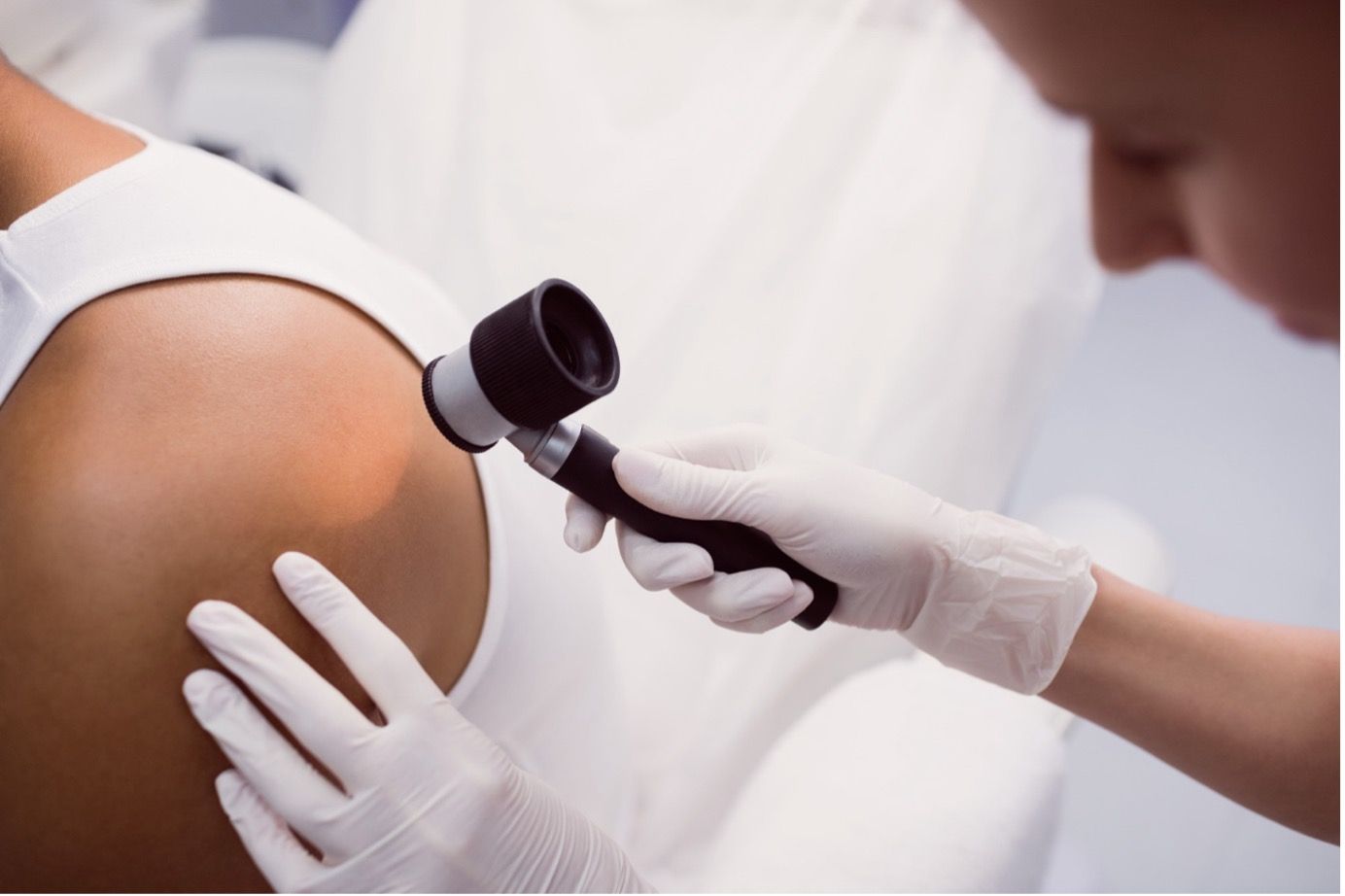
- Perform a skin examination, which may involve dermoscopy for suspicious spots
- Provide treatment options such as creams, tablets, or lifestyle advice depending on the condition
- Discuss whether further tests or a referral to a dermatologist is necessary
- Offer preventive guidance, including advice on sun protection and regular skin checks
Self-Monitoring Tips for Skin Health
You can take steps at home to support your skin and spot potential issues early:
- Check your skin regularly: look for new or changing spots, especially in sun-exposed areas
- Practice sun safety: use SPF 30+ sunscreen, protective clothing and seek shade
- Keep a symptom diary: note when rashes or flare-ups occur and what may trigger them
- Maintain healthy habits: good nutrition, hydration and stress management can all benefit skin
Why Choose a Noosa North Shore GP?
Residents of Noosa North Shore and surrounding areas can access professional skin care support close to home. A local GP in Noosa North Shore offers:
- Personalised care with knowledge of your health history
- Convenient access for ongoing reviews or annual skin checks
- Early intervention for conditions like eczema, acne or suspicious spots
At Tewantin Medical Centre, our team provides attentive, evidence-based care for a wide range of skin concerns. Whether you need reassurance about a rash or a thorough skin cancer check, our doctors are here to help.
If you’ve noticed a persistent or worrying skin change, don’t delay – book a GP appointment today.
Disclaimer:
The information provided in this blog is for general educational purposes only and should not be taken as medical advice. It is not a substitute for professional diagnosis, treatment, or care. Always seek the guidance of your doctor or other qualified healthcare professional with any questions you may have regarding your health or medical condition.