After a skin check, a GP may monitor a lesion, arrange a biopsy, remove it if appropriate, or refer you for specialist care. The pathway depends on the appearance of the lesion, risk factors, and clinical findings. Understanding these steps helps patients know what to expect and reduces uncertainty after a skin cancer check.
One of the most common questions people ask after booking a skin check is whether their GP can remove a suspicious lesion if something concerning is found. For many patients, uncertainty about what happens next can be just as stressful as the skin check itself.
In Australia, GPs play a central role in assessing skin changes, identifying lesions that may need further investigation, and guiding patients through the most appropriate next steps. Depending on the findings, a GP may monitor a spot, arrange further testing, perform a minor procedure, or organise referral for specialist care.
This article explains the typical pathways that follow a skin check, so you know what to expect and why different approaches may be recommended.
What Happens During a Skin Check With a GP?
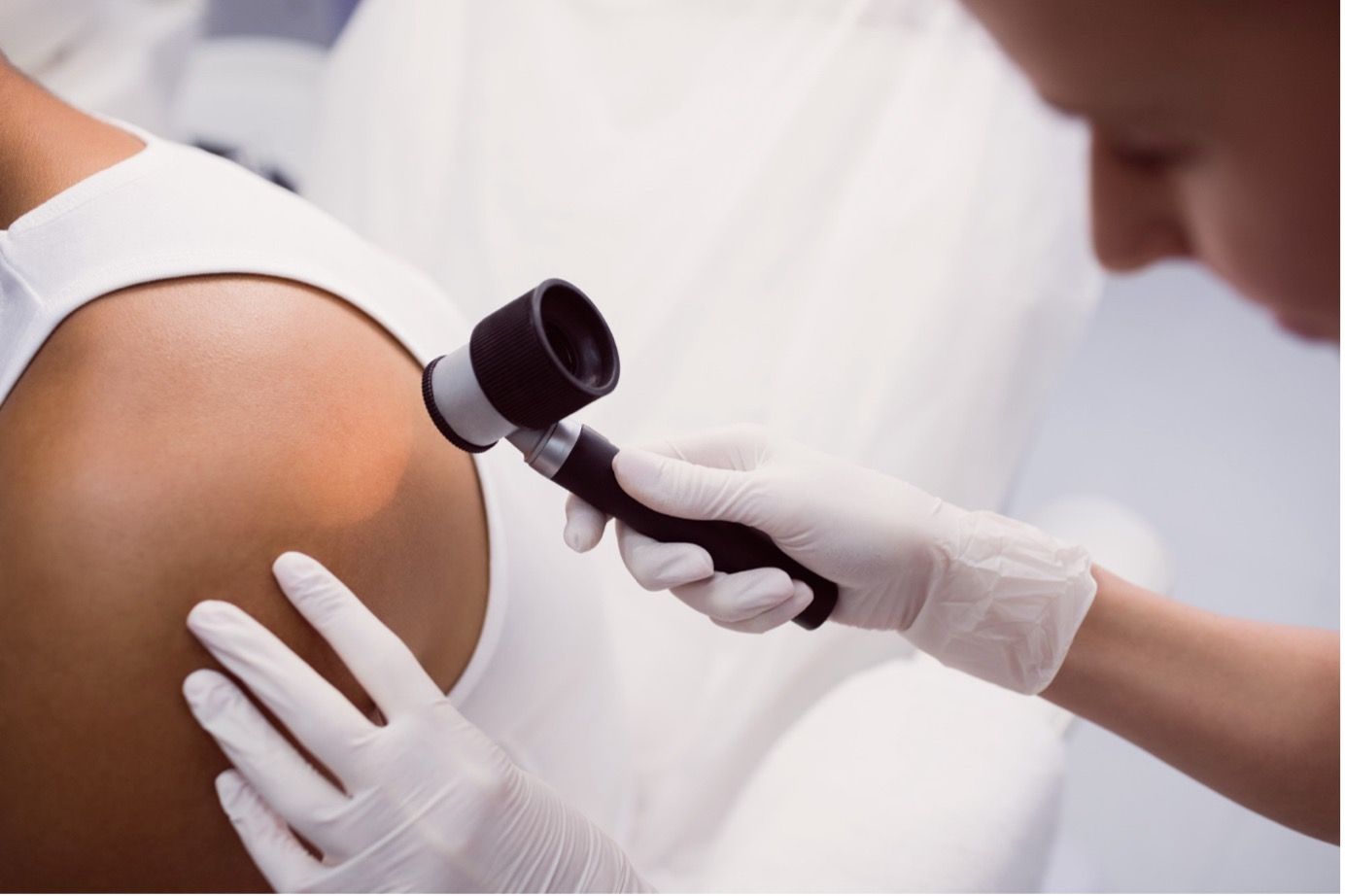
A skin check usually begins with a discussion about your medical history, sun exposure, and any spots or changes you have noticed. During the examination, the GP visually assesses the skin and may use dermoscopy to look more closely at moles and lesions.
At clinics such as Tewantin Medical Centre, skin cancer checks are designed to be systematic and patient focused. Your doctor will explain what they are seeing and whether any areas need closer attention.
At the end of the appointment, most lesions fall into one of three broad categories:
- Clearly benign and safe to leave alone
- Uncertain and needing monitoring or further investigation
- Suspicious enough to warrant biopsy, removal, or referral
When Can a GP Remove a Suspicious Lesion?
In many cases, a GP can remove a suspicious lesion, particularly if it is small, accessible, and suitable for a minor procedure in a general practice setting.
GPs may remove lesions when:
- The lesion appears suspicious but is appropriate for removal in the clinic
- A biopsy is required to confirm a diagnosis
- The lesion is causing symptoms such as bleeding or irritation
- The GP has the training and facilities to perform the procedure safely
These procedures are typically done under local anaesthetic and may be performed at the same clinic where the skin check took place. Your GP will explain the reason for removal, what the procedure involves, and what to expect during recovery.
Monitoring Versus Immediate Removal
Not every lesion needs to be removed straight away. In some situations, monitoring is the safest and most appropriate option.
Your GP may recommend monitoring when:
- The lesion has low risk features
- Changes are subtle and not clearly concerning
- Comparison over time may help clarify whether the spot is evolving
Monitoring can involve scheduled follow up appointments, photographs, or written descriptions in your medical record. Patients are also advised on what changes to watch for between visits and when to return sooner.
This approach is common and does not mean your concerns are being dismissed. It reflects a clinical judgement based on current findings and risk factors.
What Is a Biopsy and Why Is It Done?
A biopsy involves removing a small sample of tissue so it can be examined by a pathologist. In some cases, the entire lesion is removed as part of the biopsy.
A GP may recommend a biopsy to:
- Confirm whether a lesion is benign or malignant
- Guide further treatment decisions
- Provide clarity when visual examination alone is not enough
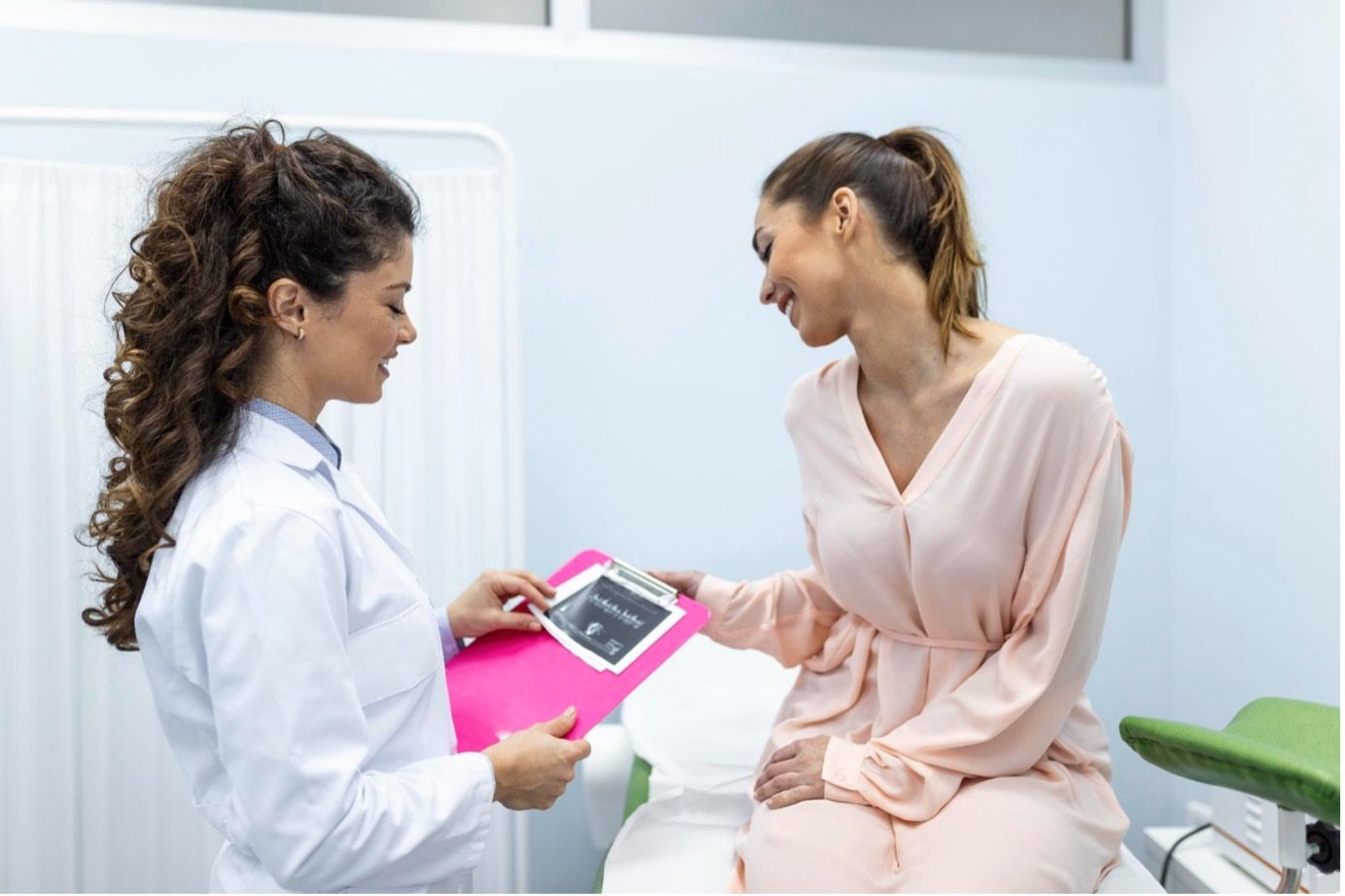
Biopsy results usually return within a few weeks. Your GP will contact you to discuss the findings and outline any further steps if needed.
When Is Referral to a Specialist Needed?
While GPs manage many skin lesions, some situations require referral to a dermatologist or surgeon.
Referral may be recommended when:
- The lesion is large, complex, or located in a sensitive area
- Results suggest a higher risk skin cancer
- More extensive surgery is required
- Specialist assessment is clinically appropriate
Your GP remains involved in coordinating care and ensuring follow up, even when another provider is involved.
Understanding Costs and Appointments
Skin checks, biopsies, and lesion removals are usually privately billed in general practice settings. Costs can vary depending on:
- Appointment length
- Number of lesions assessed or removed
- Whether pathology testing is required
Medicare rebates may apply in some circumstances. It is a good idea to discuss fees with reception or your GP so you know what to expect.
If you have multiple spots or concerns, booking a longer appointment for your skin cancer checks allows enough time for assessment and discussion.
Why Clear Explanations Matter After a Skin Check
Patients often report feeling uncertain when they leave an appointment without fully understanding why a lesion was removed, monitored, or referred. Asking questions and understanding the reasoning behind each recommendation can provide reassurance and help you feel more confident about your care.
A GP should explain:
- What features prompted concern
- Why a particular pathway was chosen
- What the next steps are and when follow up is needed
If you are unsure, it is reasonable to ask for clarification or book a follow up appointment to discuss your results.
Booking a Skin Check With a Local GP
If you have noticed a changing spot, have a history of sun exposure, or simply want peace of mind, booking a skin check with a local GP is an important first step.
Patients seeking Skin Cancer Checks Tewantin can book appointments through Tewantin Medical Centre, where skin checks are integrated into ongoing general practice care. You can also use the
online booking system to choose an appointment time that suits you.
Seeing a skin cancer doctor Tewantin patients trust means having a clear pathway forward, whether that involves monitoring, removal, or referral.
Disclaimer:
The information provided in this blog is for general educational purposes only and should not be taken as medical advice. It is not a substitute for professional diagnosis, treatment, or care. Always seek the guidance of your doctor or other qualified healthcare professional with any questions you may have regarding your health or medical condition.